 (702) 333-8057
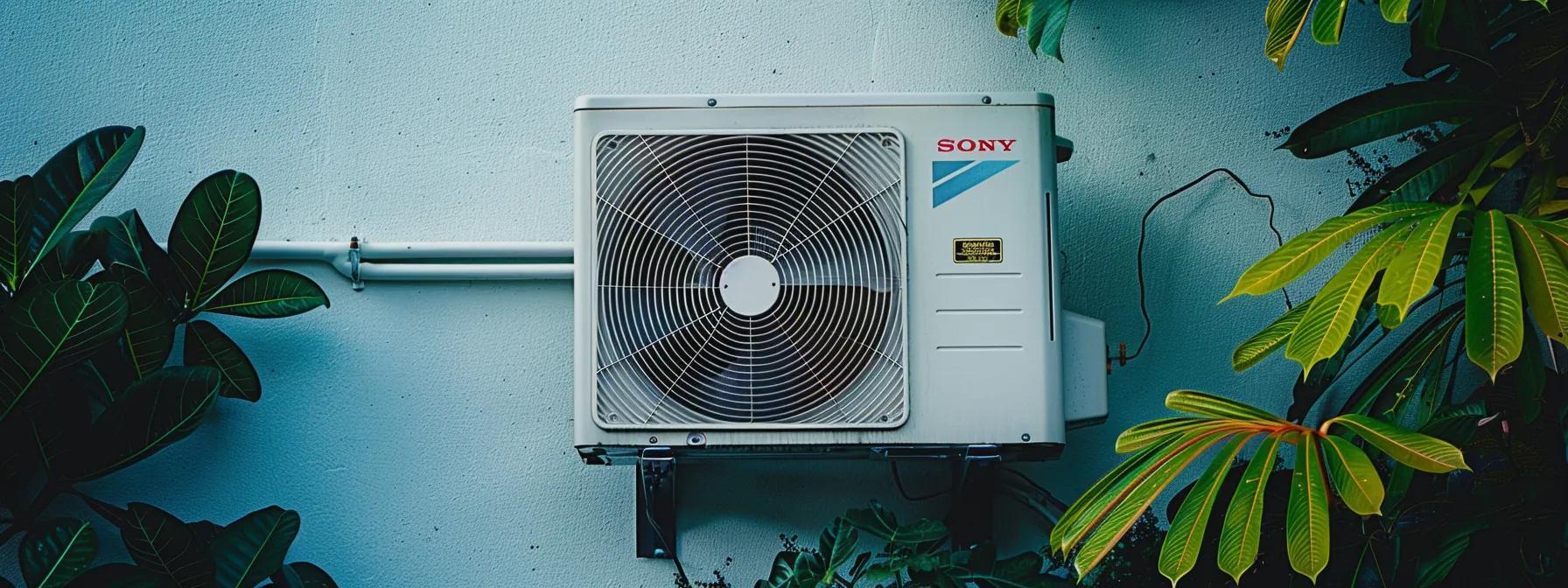
Is your air conditioner struggling to keep up with the summer heat? Without routine maintenance, problems like refrigerant leaks or electrical issues can reduce efficiency and raise energy costs. This article covers the importance of regular AC upkeep, key maintenance tasks, and signs that professional help is needed. Homeowners will learn how to maintain their cooling systems effectively, preventing water leaks and ensuring optimal performance. Proper maintenance not only enhances comfort but also extends the lifespan of the unit.
Understanding the Importance of Routine Air Conditioning Maintenance
In warm climates, air conditioning systems endure continuous use, stressing components like the condenser and air filter. Neglecting routine maintenance can result in clogged ducts and higher repair costs. Regular upkeep enhances energy efficiency and cost-effectiveness, ensuring optimal performance while minimizing air pollution in hot areas.
The Impact of Warm Climates on AC Performance
In warm climates, the continuous operation of cooling systems places significant demand on related components such as the thermostat and heat pump. A malfunctioning thermostat can lead to inefficient cooling, causing the heat pump to work harder and increase energy consumption.
High temperatures can strain the plumbing and drain systems associated with air conditioning units. Blocked or damaged drains may result in water leakage and potential damage to surrounding areas, highlighting the necessity for diligent maintenance.
How Neglected Systems Lead to Increased Repair Costs
When air conditioning systems are not regularly maintained, calibration issues can arise, causing the evaporator to operate inefficiently. This inefficiency forces the system to consume more energy, leading to higher utility costs and putting additional strain on the unit.
Neglected ventilation systems can result in blockages and reduced airflow, which not only decreases the overall performance of the AC but also increases the likelihood of component failures. Addressing these maintenance needs promptly helps prevent expensive repairs and ensures the system remains energy-efficient.
Energy Efficiency and Cost-Effectiveness in Hot Areas
Maintaining components such as the compressor and heat exchanger is vital for reducing wear and tear and ensuring consistent airflow, which directly impacts energy efficiency in warm regions.
By regularly servicing the pump and monitoring airflow, homeowners can enhance cost-effectiveness and decrease energy consumption in hot areas:
- Replace or clean air filters regularly to maintain proper airflow.
- Inspect and calibrate the compressor to ensure efficient operation.
- Examine the heat exchanger for any signs of wear or damage.
- Check the pump for leaks or malfunctions that could hinder performance.
Key Components of Air Conditioner Maintenance
Key components of air conditioner maintenance include regularly inspecting and replacing air filters to minimize dust, cleaning condenser coils to ensure proper drainage, checking refrigerant levels for optimal utility performance, and evaluating ductwork integrity. These maintenance tasks support efficient system operation and help maintain warranty coverage by addressing potential issues early through thorough inspection.
Inspecting and Replacing Air Filters Regularly
Regularly inspecting and replacing air filters is essential to remove debris that can obstruct airflow, thereby maintaining the system’s efficiency. Clean filters ensure that the air conditioner operates smoothly, reducing the risk of water damage caused by blocked vents and condensate lines.
Maintaining clean air filters not only enhances performance but also supports budget management by minimizing the need for costly repairs. Engaging a professional technician for timely filter replacement guarantees that the air conditioning system remains in optimal condition, providing reliable cooling throughout warm periods.
Importance of Cleaning the Condenser Coils
Regularly cleaning the condenser coils prevents the buildup of dirt and debris, which can adversely affect indoor air quality. Clogged coils reduce airflow, creating an environment where mold can thrive and compromising the overall health of the living space.
Well-maintained condenser coils also lessen the burden on the heating system and other components located in the attic, such as the boiler. This ensures that the entire HVAC system operates efficiently, reducing energy consumption and extending the lifespan of essential equipment.
Checking Refrigerant Levels for Optimal Functioning
Ensuring proper refrigerant levels is a key part of HVAC system maintenance for air conditioners in both residential and commercial settings. Adequate refrigerant maintains efficient cooling, reduces energy consumption, and prevents excessive wear on the compressor. Regular checks through HVAC preventative maintenance help identify and address leaks early, maintaining optimal performance during peak usage periods:
| Benefit | Description |
|---|---|
| Energy Efficiency | Maintaining correct refrigerant levels lowers energy usage and utility costs. |
| System Reliability | Proper refrigerant ensures consistent cooling and reduces the risk of unexpected breakdowns. |
| Cost Savings | Early detection of refrigerant leaks prevents expensive repairs and extends system lifespan. |
Regular HVAC maintenance that includes refrigerant level checks supports the longevity and effectiveness of air conditioners. By keeping refrigerant at optimal levels, commercial HVAC systems can achieve sustained cooling performance, enhance energy efficiency, and minimize the likelihood of costly malfunctions.
Evaluating and Maintaining Ductwork Integrity
Regular evaluation of ductwork integrity is a critical aspect of annual HVAC maintenance. Leaky or damaged ducts can significantly increase HVAC maintenance costs by reducing system efficiency and causing uneven heating throughout the property.
Maintaining ductwork ensures optimal airflow and enhances the overall performance of the heating and cooling systems. Key steps include:
- Inspecting ducts for visible signs of wear and tear.
- Sealing any leaks to prevent energy loss.
- Cleaning ducts to remove dust and debris that can obstruct airflow.
- Ensuring proper insulation around ductwork to maintain temperature control.
Signs Your AC System Requires Professional Attention
Unusual noises, altered airflow and temperature, and unpleasant odors from the AC system signal the need for professional attention. These issues can raise energy costs and impact indoor health, possibly involving liquid leaks or programmable thermostat faults. Prompt servicing ensures efficient performance and avoids costly repairs.
Recognizing Unusual Noises From the Unit
Unusual noises such as grinding, squealing, or banging can indicate underlying issues within the air conditioning unit. These sounds often result from excessive wear on components or loose parts, which can compromise system efficiency and energy conservation. Including these signs in an AC maintenance checklist ensures timely identification and resolution:
- Listen for persistent grinding or squealing noises.
- Check for rattling sounds that may indicate loose components.
- Monitor for sudden changes in noise levels during operation.
Addressing unusual noises promptly through professional assessment prevents further damage and enhances the unit’s longevity. Regular checks by a qualified technician can identify and rectify issues before they escalate, supporting effective energy conservation and maintaining optimal system performance.
Understanding Changes in Air Flow and Temperature
When an air conditioning system begins to show inconsistent airflow or fluctuates in cooling performance, it signals potential issues that require immediate attention. These changes can stem from problems such as blocked ducts, malfunctioning fans, or refrigerant leaks, all of which hinder the system’s ability to deliver cool air efficiently. Recognizing these signs early allows homeowners to request service promptly, preventing further deterioration and ensuring a comfortable indoor environment.
Engaging a professional air conditioning technician is essential to accurately diagnose and resolve airflow and temperature irregularities. An experienced HVAC technician can perform comprehensive inspections, identify underlying issues, and implement effective solutions to restore optimal performance. Regular air conditioner service not only maintains consistent cooling but also enhances the system’s longevity, providing reliable cool air during peak warm periods.
Identifying Unpleasant Odors Emitting From the System
Unpleasant odors emanating from the air conditioning system can signal significant issues that necessitate professional attention. These smells often arise from mold growth within the HVAC drain or the accumulation of debris inside the unit, both of which can degrade indoor air quality and impair system functionality.
Addressing these odor problems promptly through air conditioner maintenance ensures a healthy living environment and optimal system performance. Key factors contributing to unpleasant smells include:{}
| Cause | Solution |
|---|---|
| Mold Growth | Clean the HVAC drain and sanitize affected areas to eliminate mold. |
| Accumulated Debris | Regularly inspect and clean internal components to prevent buildup. |
| Clogged Filters | Replace or clean air filters during routine air conditioner maintenance. |
Engaging in regular ac service can effectively eliminate these odor sources, maintaining the efficiency and reliability of the air conditioning system while ensuring a comfortable and healthy indoor environment.
Benefits of Regular Maintenance Scheduling
Regular maintenance scheduling offers numerous advantages, including extending the HVAC unit’s lifespan and enhancing indoor air quality for healthier living. By utilizing ac cleaning service and managing ac tune up cost, homeowners can minimize the need for emergency ac service, same day ac repair, and other 24 hour ac service interruptions, ensuring consistent cooling performance.
Extending the Lifespan of Your HVAC Unit
Regular maintenance, including the application of lubricant to moving components, plays a critical role in extending the lifespan of an HVAC unit. By consistently utilizing heating and air conditioning service, potential issues are identified early, which decreases the reliance on emergency HVAC service and costly 24 7 ac repair, ensuring the system remains operational for many years.
Consistent upkeep of the HVAC system prevents excessive wear and tear on vital parts like the compressor and fans. Proactive maintenance reduces the likelihood of needing emergency air conditioner repair, enhancing the durability and reliability of the unit, and ultimately saving homeowners from unexpected expenses while extending the overall life of their heating and cooling systems.
Enhancing Indoor Air Quality for Healthier Living
Regular maintenance of air conditioning systems plays a crucial role in maintaining optimal indoor air quality. By managing humidity levels and preventing the accumulation of harmful substances like carbon monoxide, homeowners can ensure a safer and healthier living environment.
Effective troubleshooting during maintenance can address issues such as foam buildup, which may lead to floor damage and further degrade air quality. Proactive measures ensure that the system operates efficiently, reducing potential health risks:
| Issue | Solution |
|---|---|
| High Humidity | Ensure proper drainage and use dehumidifiers to maintain optimal moisture levels. |
| Foam Buildup | Clean and inspect system components regularly to prevent foam formation. |
| Carbon Monoxide Leaks | Install carbon monoxide detectors and regularly check the system for leaks. |
Minimizing Emergency Repairs and Service Interruptions
Regular air conditioning maintenance serves as a vital tool in preventing unexpected system failures, ensuring that the supply chain in businesses remains uninterrupted. By scheduling routine check-ups, potential issues can be identified and resolved before they escalate, minimizing the need for costly emergency repairs. This proactive approach not only safeguards the operational efficiency but also enhances customer satisfaction by maintaining a comfortable environment.
Incorporating smart thermostats into regular maintenance routines allows for continuous monitoring and timely adjustments, reducing the likelihood of service interruptions. Properly maintained systems protect valuable furniture from extreme temperature fluctuations and ensure a stable indoor climate. This level of reliability reassures customers that their environment remains consistently comfortable, further reinforcing trust and satisfaction.
Ensuring Consistency in Cooling Performance
Consistent cooling performance is vital for maintaining comfort in warm areas, and integrating home automation systems plays a significant role in achieving this stability. By optimizing settings through smart thermostats, homeowners can enhance the seasonal energy efficiency ratio, ensuring that the air conditioning operates effectively throughout varying temperatures.
Proper facility management also ensures that ceiling ducts are well-maintained, preventing leaks and ensuring optimal airflow. Additionally, understanding the impact of surrounding soil conditions can influence the placement and performance of outdoor AC units, contributing to overall system reliability:
| Factor | Impact on Cooling Performance |
|---|---|
| Home Automation | Enhances control and efficiency, leading to improved energy usage. |
| Ceiling Ducts | Proper maintenance prevents airflow obstructions and energy loss. |
| Soil Conditions | Affects outdoor unit placement and longevity, ensuring consistent operation. |
By addressing these aspects, facility management can maintain a balanced and efficient cooling system, reducing the likelihood of performance inconsistencies and extending the lifespan of air conditioning units.
Actionable Maintenance Tips for Homeowners
Homeowners can optimize AC performance by creating a seasonal maintenance checklist, handling DIY tasks such as removing dirt from filters and inspecting window seals, and recognizing when professional AC repair is needed for sensor or humidifier issues. These steps ensure efficient operation and extend the system’s longevity.
Establishing a Seasonal Maintenance Checklist
Establishing a seasonal maintenance checklist is essential for homeowners to ensure their air conditioning systems function efficiently year-round. Regular inspections of components like the air handler and dehumidifier help maintain the optimal performance of the British thermal unit and prevent issues such as unexpected floods.
Utilizing available coupons can make routine maintenance more affordable, encouraging homeowners to adhere to their checklists and address potential problems early. Following a seasonal checklist helps in managing common concerns effectively, such as:
- Cleaning or replacing air filters to ensure proper airflow.
- Inspecting the dehumidifier for efficient moisture control.
- Checking the air handler for signs of wear or damage.
- Verifying refrigerant levels in the British thermal unit.
- Assessing drainage systems to prevent potential flood risks.
DIY Maintenance You Can Perform
Homeowners can perform simple tasks like regularly cleaning or replacing air filters to prevent system blockages that could lead to unexpected downtime. By maintaining unobstructed airflow, they reduce the risk of needing expensive emergency service, ultimately saving money and ensuring the air conditioner operates smoothly during peak usage.
Inspecting and clearing the area around the outdoor units helps avoid debris buildup that can cause the system to overheat or malfunction. Additionally, checking for any water leaks around the unit can prevent water from sinking into unwanted areas, minimizing potential damage and the need to use a dialer to call for urgent repairs.
Knowing When to Seek Professional AC Repair
Recognizing when to seek professional AC repair is crucial for maintaining system efficiency and preventing further damage. If the circuit breaker frequently trips or the ceiling fan connected to the air conditioning unit stops working properly, these could be signs of underlying electrical wiring issues that require expert attention.
Additionally, unusual pressure levels within the system or persistent leaks indicate that professional technicians should assess the unit to prevent costly repairs. Early intervention ensures that problems are addressed before they escalate, maintaining optimal performance and extending the lifespan of the air conditioning system:
| Symptom | Possible Cause | Recommended Action |
|---|---|---|
| Frequent Circuit Breaker Trips | Electrical wiring issues | Contact a certified electrician for inspection |
| Ceiling Fan Malfunctions | Faulty motor or wiring | Schedule a professional repair service |
| Unusual Pressure Levels | Refrigerant leaks or compressor problems | Have an HVAC specialist evaluate the system |
By paying attention to these indicators, homeowners can secure credit for timely repairs and ensure that their air conditioning systems operate smoothly during peak usage periods.
Costs Associated With AC Maintenance and Repair
Understanding average pricing for annual air conditioning maintenance enables homeowners to budget effectively. Preparing for unexpected repairs, such as switching out faulty parts, helps manage unforeseen expenses. The long-term financial benefits of preventive maintenance include potential rebates and reduced costs related to allergen control, ensuring both cost savings and compliance with web content accessibility guidelines.
Understanding Average Pricing for Annual Maintenance
The average pricing for annual air conditioning maintenance varies significantly based on the homeowner’s zip code, which influences labor costs and service demand in different regions. Factors such as the presence of carbon and particulates in the local environment can also affect maintenance expenses, as areas with higher pollution levels may require more frequent filter replacements and system cleanings to ensure optimal performance. Homeowners engaged in home improvement projects often bundle AC maintenance with other services, potentially reducing overall costs through service packages.
Additionally, the complexity of a home’s HVAC system, including components like sump pumps, can impact the total cost of annual maintenance. Homes equipped with sump pumps may require technicians to perform supplementary checks to ensure that both systems operate efficiently, thereby increasing the overall service fee. Understanding these variables helps homeowners budget appropriately for routine maintenance, ensuring that their air conditioning systems remain reliable and energy-efficient throughout warm seasons.
Budgeting for Unexpected Repairs
Unexpected repairs can significantly impact a homeowner’s budget, making it essential to allocate funds for unforeseen issues. Regular maintenance checks help identify potential problems early, such as worn hoses or lingering odors, thereby reducing the likelihood of costly emergency repairs. By scheduling routine cleanings, homeowners can avoid sudden expenses and ensure their air conditioning systems remain reliable.
Setting aside a contingency fund for AC repairs provides financial security against sudden malfunctions. Investing in periodic inspections and cleaning ensures that components like hoses remain in good condition and odors are promptly addressed. This proactive approach not only minimizes repair costs but also extends the lifespan of the air conditioning unit, offering long-term savings.
The Long-Term Financial Benefits of Preventive Maintenance
Implementing preventative maintenance with reputable brands like Lennox ensures that components such as the outdoor unit remain in optimal condition. This proactive approach minimizes the risk of blocked airways and system failures, ultimately saving homeowners significant repair costs over time.
Additionally, regular maintenance enhances air quality by keeping the system clean and free from contaminants. By investing in routine check-ups, property owners can enjoy consistent performance and reduced energy expenses:
| Benefit | Description |
|---|---|
| Energy Savings | Efficient system operation lowers monthly energy bills. |
| Extended Lifespan | Regular upkeep prolongs the life of HVAC components. |
| Improved Air Quality | Clean systems reduce the presence of allergens and pollutants. |
| Cost Avoidance | Early detection of issues prevents expensive emergency repairs. |
By prioritizing preventative maintenance, homeowners can ensure their air conditioning systems operate efficiently, maintain high air quality, and avoid unexpected financial burdens associated with major repairs.
Choosing the Right HVAC Service Provider
Selecting the right HVAC service provider is crucial for maintaining efficient hvac systems. Homeowners should consider the technician’s qualifications, inquire about available maintenance plans, and prioritize indoor air quality expertise. Asking relevant questions during the hiring process and reviewing customer testimonials ensures reliable service, complementing both diy hvac maintenance efforts and professional support.
What to Look for in an Air Conditioning Technician
When selecting an air conditioning technician, it is essential to verify their certifications and experience with various HVAC units. A qualified technician should demonstrate expertise in diagnosing issues and performing maintenance tasks efficiently, ensuring your system operates smoothly even as temperatures rise.
Additionally, consider technicians who maintain a comprehensive inventory of parts and tools necessary for swift repairs, minimizing downtime during peak seasons. Their ability to enter different types of properties and address potential pest-related concerns further ensures comprehensive service:
- Certified and licensed professionals with proven experience.
- Comprehensive parts inventory for quick replacements.
- Capability to access various property types securely.
- Knowledge in handling pest-related HVAC issues.
Questions to Ask During the Hiring Process
When selecting an HVAC service provider, homeowners should ask about the company’s experience with automation technologies. Effective automation can lead to lower energy consumption and enhance system performance, but improper setup may increase the risk of malfunctions. Understanding how a technician integrates automation ensures the air conditioning system operates efficiently and reliably.
| Question | Purpose |
|---|---|
| Do you have experience implementing smart home automation systems? | Ensures compatibility with modern energy-efficient solutions. |
| How do you address energy consumption in your maintenance practices? | Assesses strategies for optimizing system performance and reducing costs. |
| Do you utilize any programming tools, such as JavaScript, for system diagnostics? | Identifies the use of advanced technologies for accurate and efficient troubleshooting. |
Additionally, homeowners should inquire about the technician’s methods for maintaining essential components like brush systems. Proper maintenance of these parts can significantly reduce energy consumption and minimize the risk of unexpected breakdowns, ensuring long-term system reliability.
Importance of Reading Customer Reviews and Testimonials
Reading customer reviews and testimonials provides valuable data on an HVAC service provider’s reliability and quality of work. By analyzing feedback, homeowners can assess the price competitiveness and the efficiency of services offered, ensuring they choose a provider that fits their budget and meets their cooling needs.
Testimonials often highlight specific experiences, such as the company’s handling of complex pipe installations or their ability to manage space constraints effectively. These real-life stories help gauge the provider’s expertise and marketing claims, ensuring that the selected HVAC service can deliver on its promises:
- Consistent positive feedback on service quality.
- Competitive pricing and transparent cost structures.
- Efficient handling of installation in tight spaces.
- Proven expertise in managing various HVAC components.
Frequently Asked Questions
Why is regular AC maintenance important in warm climates?
In warm climates, consistent upkeep of air conditioners ensures efficient cooling, lowers energy bills, extends the unit’s lifespan, and prevents unexpected failures, maintaining a comfortable and reliable indoor environment.
What are the main parts checked during AC maintenance?
During AC maintenance, technicians inspect and clean filters, assess refrigerant levels, examine electrical components, calibrate the thermostat, check condenser and evaporator coils, and verify the condensate drain functions correctly to ensure efficient system operation.
How can you tell if your AC needs repairs?
Signs your cooling system may need fixing include weaker airflow, unusual noises, higher energy bills, or uneven temperatures. Monitoring these symptoms helps ensure effective operation and prevents minor issues from becoming major problems.
What benefits come from scheduling regular AC maintenance?
Regular checks of cooling systems ensure peak efficiency, lower energy usage, prolong equipment life, and sustain air quality, helping avoid expensive fixes and improve indoor comfort.
How do maintenance costs compare to repair expenses?
Maintenance costs are typically lower and predictable compared to repair expenses, which can be high and unexpected. Regular upkeep prevents major issues, leading to long-term savings and effective budget management.
Conclusion
Routine air conditioning maintenance is essential for ensuring efficient and reliable performance in warm climates. Regular upkeep prevents system malfunctions, reduces energy consumption, and lowers utility costs for homeowners. By addressing potential issues early, maintenance extends the lifespan of HVAC units and minimizes the need for costly repairs. Overall, consistent AC maintenance guarantees a comfortable and healthy indoor environment, maximizing the system’s effectiveness during peak usage periods.