 (702) 333-8057
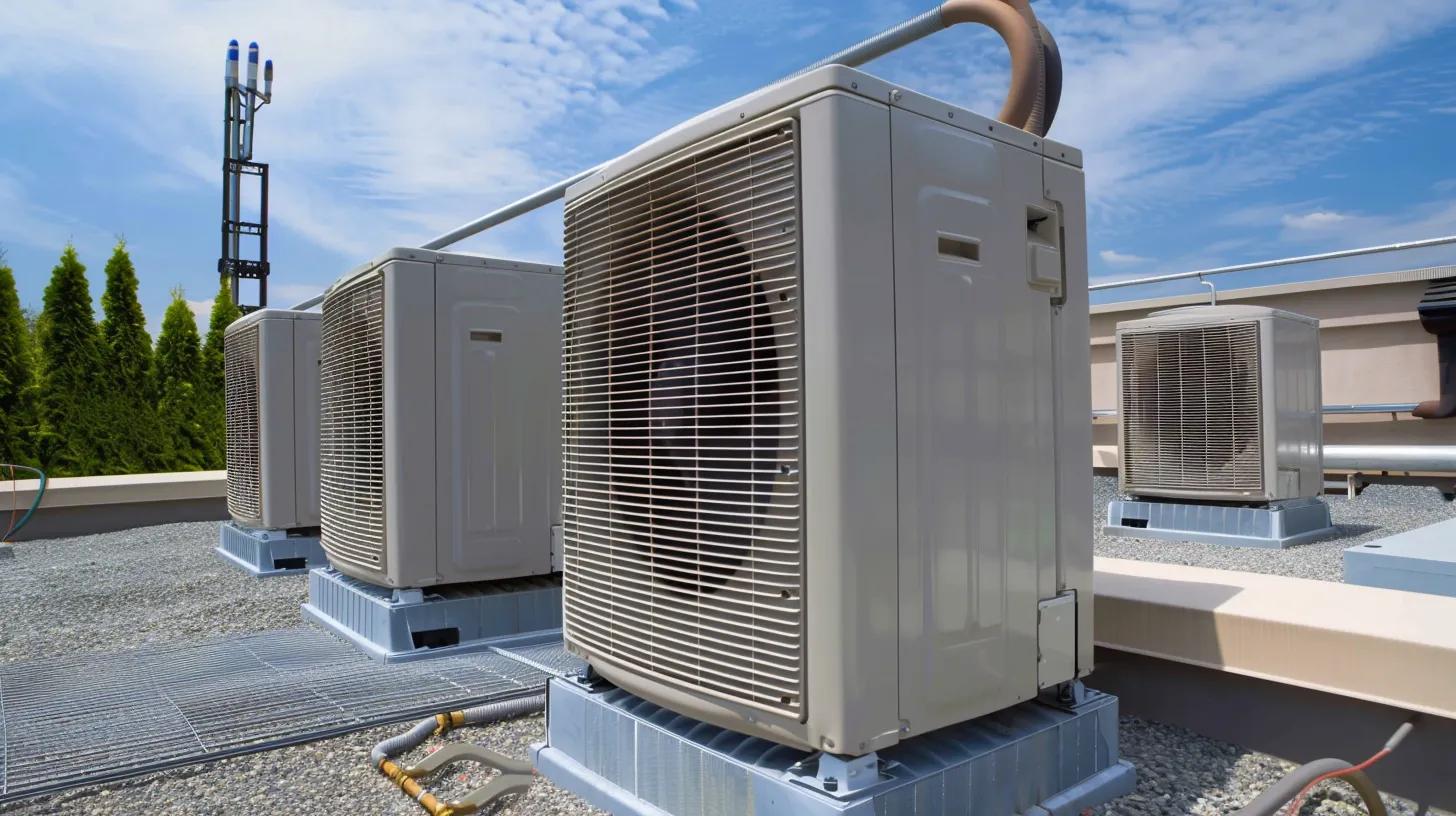
Air Conditioner Issues: Key Symptoms You Shouldn’t Ignore
Air conditioner problems can disrupt your comfort and lead to expensive repairs. This article highlights key symptoms you shouldn’t overlook, such as unusual sounds, insufficient cooling, and water leaks. By understanding these signs, homeowners can address issues early, potentially saving on HVAC inspections, drain cleaning, and plumbing services. Identifying these problems promptly ensures your AC system operates efficiently, maintaining a comfortable living environment without unexpected costs.
Recognizing Unusual Sounds From Your Air Conditioning Unit
Identifying uncommon noises from an air conditioning unit is essential for customers needing air conditioning repair. Sounds like hissing, rattling, clicking, and buzzing may indicate issues with the heat pump, thermostat, or other parts. Understanding these noises helps differentiate normal operations from faults, preventing unexpected fees and ensuring efficient system performance.
Identify Common Noises That Indicate Problems With Your AC
Unusual sounds like grinding from the compressor, dripping from the humidifier, or clicking in the electrical components can indicate that an air conditioning service is necessary. Homeowners often search for “HVAC companies near me” when they notice these specific noises, as they may signify problems with critical parts of the system. Addressing these sounds promptly with reliable HVAC near me providers ensures that issues are resolved efficiently, maintaining the unit’s performance and preventing costly repairs.
Understand the Significance of Hissing Sounds in Cooling Systems
Hissing sounds in cooling systems often signal refrigerant leaks or airflow issues, which can lead to decreased efficiency and increased heat production. Prompt air conditioning repairs from a skilled technician can prevent further damage and restore optimal performance. If such noises persist, contacting an emergency HVAC repair near me service can ensure timely resolution and maintain the system’s reliability.
Learn What Rattling Noises Might Suggest About Maintenance Issues
Rattling noises in an air conditioning unit often indicate issues with the relay or other loose components, affecting the system’s accessibility and its ability to stay cool efficiently. Promptly replacing faulty parts can prevent further damage and help manage repair prices, ensuring the unit operates smoothly. Homeowners should consult with HVAC professionals to address these maintenance issues effectively.
Explore the Implications of Clicking Sounds on AC Performance
Clicking sounds in an air conditioning unit can signal issues with electrical components or the connection to the furnace, potentially leading to refrigerant leaks if not addressed promptly. Homeowners noticing these noises should consider obtaining a coupon for professional repairs to manage costs effectively. Ignoring such sounds may also impact other systems, like the water heater, increasing the need for extensive water heater repair and resulting in higher overall maintenance expenses.
Assess the Meaning of Buzzing Noises and Potential Faults
Buzzing noises in an air conditioner often point to issues with electrical components or the fan motor, which can impact both heating and the dehumidifier functions. Homeowners seeking “hvac maintenance near me” should address these sounds promptly to prevent further system damage. Selecting a service provider that offers a satisfaction guarantee ensures reliable repairs and maintains the air conditioner’s optimal performance.
Differentiate Between Normal Sounds and Those Needing Attention
Understanding the difference between normal operational sounds and unusual noises in an air conditioning unit is crucial for homeowners. Routine sounds from the condenser or ductwork typically indicate proper functioning, while unexpected noises may signal the need for reliable air conditioning service or even air conditioning replacement. Recognizing these distinctions helps in scheduling timely HVAC service, ensuring the system remains efficient and prevents minor issues from escalating.
Detecting Insufficient Cooling From Your Air Conditioner
Detecting insufficient cooling from an air conditioner involves recognizing signs of inadequate cooling in living spaces and investigating causes of poor airflow. Evaluating dirty filters’ impact on cooling efficiency and checking freon levels are essential steps.
Understanding how duct issues affect temperature regulation, identifying thermostat malfunctions, and addressing circuit breaker problems ensure effective conditioning repair and reliable customer service during a heat wave.
Recognize the Signs of Inadequate Cooling in Living Spaces
Homeowners noticing uneven temperatures, increased humidity, or rising energy bills should consider these as signs of inadequate cooling in their living spaces. These issues often stem from clogged air filters or abnormal pressure levels within the system, necessitating air conditioner repair or heat pump repair to restore optimal performance. Promptly addressing these symptoms through professional services can prevent the need for emergency ac repair and ensure a comfortable home environment.
Investigate Causes of Poor Airflow and Their Solutions
Poor airflow in air conditioning systems often results from blocked ducts, faulty pumps, or electrical problems that may require the expertise of an electrician. Regular duct cleaning can significantly enhance air conditioning performance, ensuring unobstructed airflow and increasing customer satisfaction. Addressing these issues promptly with professional air conditioning services helps maintain optimal system efficiency and prevents further complications.
Evaluate the Impact of Dirty Filters on Cooling Efficiency
Dirty filters in air conditioning systems significantly reduce cooling efficiency by limiting airflow, which forces the unit to work harder and consume more energy. This inefficiency can lead to elevated humidity levels in the attic and living spaces, creating ideal conditions for mold growth. Regular maintenance by a qualified technician to clean or replace filters ensures optimal performance and a healthier indoor environment.
Check Refrigerant Levels and Their Importance in Cooling
Maintaining proper refrigerant levels is essential for optimal cooling performance in an air conditioner. Insufficient refrigerant not only reduces cooling efficiency but also increases the risk of system breakdowns, potentially leading to costly AC repair or the need for a replacement. Including refrigerant checks in a regular maintenance plan ensures any leaks are addressed promptly, safeguarding the unit’s warranty and preventing water damage from refrigerant leaks.
Understand How Duct Issues Can Affect Temperature Regulation
Duct issues can significantly disrupt temperature regulation by restricting airflow, causing the HVAC system to use more energy to achieve desired temperatures. Regular maintenance by a qualified HVAC technician ensures ducts are free from leaks and blockages, enhancing overall efficiency and providing consistent cooling throughout the home.
Identify Thermostat Malfunction Symptoms and Corrections
When a thermostat malfunctions, homeowners may experience inconsistent temperatures, unresponsive cooling systems, or unusual noises emanating from the evaporator unit. These symptoms indicate that the thermostat is failing to communicate effectively with the HVAC system, leading to inadequate cooling and increased energy consumption. Addressing these issues promptly by contacting “hvac service near me” can prevent the need for emergency air conditioning repairs and ensure the system operates smoothly.
Observing Water Leaks Around Your Air Conditioning Unit
Water leaks around an air conditioning unit can stem from various issues. This section examines potential leakage sources, including clogged drains and low refrigerant levels, and highlights how faulty installation can contribute to leaks. It also explores preventive measures and underscores the importance of timely repairs to maintain system efficiency and prevent water damage.
Examine the Potential Sources of Water Leakage in AC Systems
Water leaks around an air conditioning unit often originate from blocked condensate drain lines, which hinder proper water drainage, or from low refrigerant levels that cause ice to form and subsequently melt. Additionally, improper installation can lead to misaligned components, resulting in leaks. Regular maintenance by qualified HVAC professionals can identify these issues early, ensuring the system functions efficiently and preventing potential water damage.
Determine How Clogged Drains Can Lead to Water Damage
Clogged drain lines in an air conditioning system can cause water to back up and overflow, leading to significant water damage in the home. This overflow may damage floors, walls, and other structural elements, resulting in costly repairs. Regular inspection and maintenance by HVAC professionals can prevent clogged drains, ensuring the system operates effectively and protecting the property from potential water-related issues.
Analyze the Effects of Low Refrigerant on Condensation Build-Up
Low refrigerant levels disrupt the air conditioner’s ability to effectively cool the air, leading to increased condensation within the system. This excess moisture can overwhelm the drainage system, causing water leaks around the unit. Regular maintenance and refrigerant checks by HVAC professionals are essential to maintain proper condensation management and prevent water damage.
Check How Faulty Installation Can Contribute to Leaks
Improper installation of an air conditioning unit can result in misaligned drain lines and loose fittings, causing water to leak from the system. This often leads to moisture accumulation around the unit, potentially damaging property and reducing cooling efficiency. Hiring experienced HVAC technicians for installation ensures all components are correctly set up, minimizing the risk of leaks.
Investigate Preventive Measures to Avoid Water-Related Issues
Routine maintenance, such as regularly inspecting and cleaning condensate drains, helps ensure proper water flow and prevents blockages. Scheduling consistent HVAC service appointments can detect early signs of potential issues, minimizing the risk of leaks and maintaining system efficiency. Ensuring the air conditioning unit is correctly installed and positioned for optimal drainage reduces the likelihood of water-related problems.
Identify the Importance of Timely Leak Repairs in AC Maintenance
Timely leak repairs are essential in AC maintenance to prevent minor leaks from causing extensive water damage and compromising the air conditioning unit’s efficiency. Addressing leaks promptly ensures the system operates smoothly, reducing energy costs and extending its lifespan. Regular maintenance and immediate repairs help homeowners avoid costly future expenses and maintain a comfortable, safe home environment.
Noticing an Unpleasant Odor From Your AC System
Unpleasant odors from an AC system can signal various issues. Mold growth affects indoor air quality and health, while electrical smells may indicate urgent problems. Musty odors often reveal moisture issues, and foul smells from dead animals highlight duct contamination. Cleaning and sanitizing vents are crucial, as ignoring persistent odors can lead to serious risks.
Learn How Mold Growth Impacts Indoor Air Quality and Health
Mold growth within an air conditioning system can severely degrade indoor air quality, posing health risks such as respiratory issues and allergies. Regular maintenance and prompt mold removal are essential to ensure a healthy living environment and optimal AC performance. Addressing mold problems early helps homeowners avoid more extensive and costly repairs while safeguarding their families’ well-being.
Identify Electrical Smells That Require Immediate Attention
Electrical smells emanating from an AC system can signal serious issues such as faulty wiring or malfunctioning components, which pose safety risks and can lead to system failures. Recognizing these odors early allows homeowners to seek immediate air conditioning repair from qualified HVAC professionals, preventing potential fire hazards and ensuring the unit operates safely and efficiently. Prompt attention to electrical smells not only safeguards the home but also extends the lifespan of the air conditioning system.
Assess the Significance of Musty Odors in Air Conditioners
Musty odors in air conditioners often indicate moisture buildup and the growth of mold within the system, which can reduce indoor air quality and affect occupants’ health. Hiring HVAC technicians to clean and treat the unit can eliminate these unwanted smells and restore efficient operation. Regular upkeep and inspections help prevent musty odors from returning, promoting a cleaner and safer living space.
Investigate How Dead Animals Can Cause Foul Smells in Ducts
Dead animals within ductwork can decompose and release foul odors that permeate the entire home, significantly reducing indoor air quality. Identifying and removing these carcasses promptly through professional HVAC services is crucial to eliminate the unpleasant smells and prevent potential health hazards. Regular inspections can help homeowners detect such issues early, ensuring a clean and efficient air conditioning system.
Recognize the Need for Cleaning and Sanitizing Vents
Regular cleaning and sanitizing of vents are essential to eliminate persistent odors and ensure a healthy indoor environment. Accumulated dust, mold, and debris in the ventilation system can trap and circulate unpleasant smells throughout the home. Hiring a professional HVAC technician to perform thorough vent maintenance not only improves air quality but also enhances the efficiency of the air conditioning system, addressing the root cause of foul odors effectively.
Understand the Risks of Ignoring Persistent Unpleasant Odors
Neglecting persistent unpleasant odors from an AC system can lead to serious health hazards, including respiratory issues and allergic reactions due to mold and mildew growth. Additionally, these odors often indicate underlying mechanical problems that, if left unresolved, may result in costly repairs or complete system failure. Addressing persistent smells promptly ensures a healthier living environment and prolongs the air conditioner’s lifespan.
Monitoring High Energy Bills Related to Air Conditioning
Monitoring high energy bills related to air conditioning involves analyzing how inefficient AC units increase energy costs, examining thermostat settings’ role in energy consumption, and considering regular maintenance to reduce utility expenses. Additionally, evaluating the benefits of investing in energy-efficient models, checking the impact of poor insulation on energy bills, and investigating the importance of SEER ratings in new units are crucial steps for managing energy costs effectively.
Analyze How Inefficient AC Units Can Increase Energy Costs
Inefficient air conditioning units work harder to cool spaces, leading to higher electricity consumption and increased energy bills. By identifying and addressing inefficiencies through regular maintenance or upgrades, homeowners can significantly reduce their energy costs. Investing in energy-efficient AC systems not only lowers expenses but also enhances overall system performance.
Discover the Role of Thermostat Settings in Energy Consumption
Optimal thermostat settings are crucial for controlling energy consumption and managing high energy bills related to air conditioning. By setting the thermostat to efficient temperatures and utilizing programmable features, homeowners can significantly reduce electricity usage without sacrificing comfort. Regularly adjusting thermostat settings based on household routines ensures the AC system operates effectively, leading to both cost savings and enhanced energy efficiency.
Consider How Regular Maintenance Can Reduce Utility Expenses
Regular maintenance of air conditioning systems ensures optimal efficiency, directly lowering utility expenses by preventing energy waste caused by faulty components or clogged filters. By scheduling routine inspections and timely repairs, homeowners can maintain consistent cooling performance, reducing the strain on the unit and minimizing electricity consumption. This proactive approach not only extends the lifespan of the AC unit but also results in significant cost savings on energy bills over time.
Evaluate the Benefits of Investing in Energy-Efficient Models
Investing in energy-efficient air conditioning models can significantly lower electricity usage, resulting in decreased utility bills for homeowners. These advanced systems are designed to provide optimal cooling performance while minimizing energy waste, ensuring both cost savings and environmental benefits. Additionally, energy-efficient units often feature improved technologies that enhance durability and reliability, offering long-term value and peace of mind.
Check the Impact of Poor Insulation on Energy Bills
Poor insulation in a home can significantly raise energy bills by requiring the air conditioning system to work harder to maintain comfortable temperatures. This inefficiency not only increases utility costs but also strains the HVAC unit, potentially leading to more frequent repairs. Investing in proper insulation ensures better temperature regulation and can result in noticeable savings on energy expenses.
Investigate the Importance of SEER Ratings in New Units
SEER ratings, or Seasonal Energy Efficiency Ratio ratings, play a vital role in selecting new air conditioning units by directly affecting energy consumption and utility bills. Units with higher SEER ratings operate more efficiently, enabling homeowners to lower their electricity costs while maintaining effective cooling. Choosing an air conditioner with an optimal SEER rating not only results in long-term savings but also contributes to a more sustainable and environmentally friendly home.
Observing Frequent Cycling of Your Air Conditioning Unit
Frequent cycling of an air conditioning unit can significantly impact system efficiency and longevity. This section explores how short cycling affects performance, the role of thermostat placement, the strain on compressors, refrigerant-related cycling issues, air distribution balance, and early warning signs of compressor failure. Understanding these factors is essential for timely air conditioning repairs and maintaining optimal HVAC functionality.
Understand the Implications of Short Cycling on Efficiency
Short cycling in an air conditioning unit disrupts the system’s efficiency by preventing it from maintaining a consistent indoor temperature, leading to increased energy consumption and higher utility bills. This frequent on-and-off cycling puts additional strain on the compressor, which can accelerate wear and reduce the unit’s lifespan. Addressing short cycling promptly with professional HVAC services ensures optimal performance and extends the air conditioner’s durability.
Assess How Incorrect Thermostat Placement Can Affect Cycling
Incorrect thermostat placement can lead to frequent cycling of the air conditioning unit by causing inaccurate temperature readings. When a thermostat is situated near heat sources or in direct sunlight, it may signal the system to turn on and off erratically, reducing efficiency and increasing energy consumption. Properly positioning the thermostat in a central, shaded area helps stabilize cycling patterns, ensuring consistent cooling and prolonging the HVAC system’s lifespan.
Investigate Overworked Compressors and Their Potential Damage
When compressors are overworked due to frequent cycling, they can overheat and suffer premature failure, leading to costly repairs or replacements. This strain not only reduces the air conditioner’s efficiency but also shortens its overall lifespan. Regular maintenance by HVAC professionals can help identify and resolve cycling issues early, ensuring the compressor operates smoothly and extends the unit’s durability.
Learn How Refrigerant Issues Contribute to Cycling Problems
Refrigerant issues, such as leaks or insufficient levels, can cause an air conditioning unit to cycle more frequently as it struggles to achieve the set temperature. This constant on-and-off operation not only reduces the system’s efficiency but also places additional strain on the compressor, potentially leading to costly repairs. Engaging HVAC professionals to detect and rectify refrigerant problems ensures stable cycling and maintains optimal performance of the air conditioning system.
Evaluate the Balance of Air Distribution Throughout the Home
Uneven air distribution throughout the home can signal issues with the air conditioning system, such as blocked vents or compromised ductwork. This imbalance forces the unit to cycle more frequently in an attempt to maintain consistent temperatures, leading to increased energy consumption and potential wear on components. Consulting with HVAC professionals to evaluate and correct airflow discrepancies ensures optimal performance and a comfortable living environment.
Recognize the Warning Signs of Potential Compressor Failure
Homeowners should be alert to signs such as reduced cooling efficiency, unusual noises like grinding or squealing, and the air conditioner running longer than usual, as these may indicate a failing compressor. Early detection of compressor issues allows for timely air conditioning repair, preventing further damage and costly replacements. Consulting with experienced HVAC professionals ensures accurate diagnosis and effective solutions to maintain the system’s reliability.
Conclusion
Recognizing key symptoms in air conditioning systems is essential for maintaining optimal performance and preventing costly repairs. Homeowners who promptly address unusual noises, insufficient cooling, water leaks, unpleasant odors, high energy bills, and frequent cycling can ensure their units operate efficiently and reliably. Regular maintenance and timely professional service not only extend the lifespan of the air conditioner but also enhance indoor comfort and safety. By staying vigilant and taking immediate action when issues arise, individuals can avoid significant expenses and enjoy a consistently comfortable living environment.