 (702) 333-8057
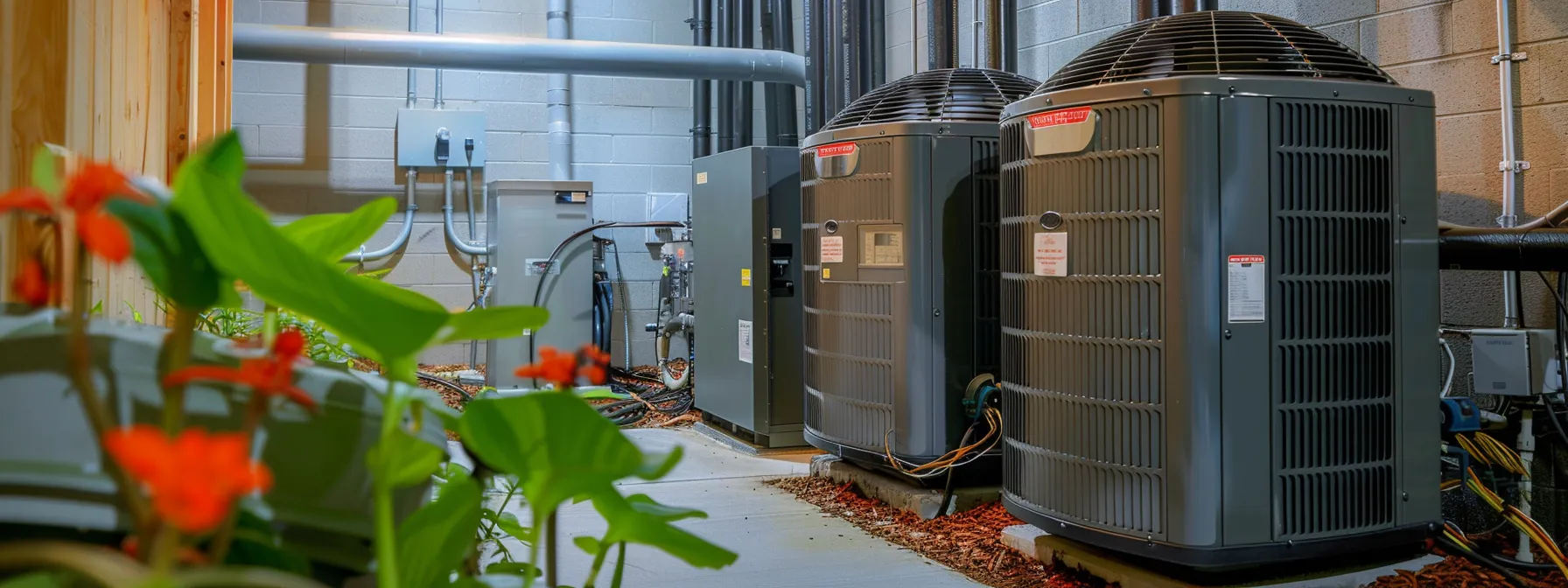
Maximize Energy Efficiency in Your Commercial HVAC System for Optimal Performance
Is your commercial HVAC system costing your business more than necessary? Air Conditioning Experts Las Vegas explains how careful evaluation of your current system, targeted maintenance strategies, and upgrades to energy-efficient equipment can improve performance and reduce energy waste. This article offers practical advice to tackle rising energy costs and boost overall system reliability while keeping your customers comfortable.
Key Takeaways
- hvac systems can reduce energy expenses and support a cleaner environment
- routine inspections and maintenance help avoid unexpected repairs and downtime
- smart technology integration offers real-time alerts for swift issue resolution
- energy audits and targeted adjustments sustain system efficiency and affordability
Understand the Importance of Energy Efficiency in Commercial HVAC Systems

Commercial hvac systems from ac & hvac solutions and acinstall lower operating costs and support a cleaner environment. The discussion highlights cost savings that reduce pressure on budgets and ensure reliable furnace operation, even during emergency events. It provides insights similar to those shared by a airconditioningexpertsnv raleigh hills hvac company, outlining how optimal system performance benefits both finances and the planet.
Recognize the Impact on Operating Costs
Commercial air conditioning systems that achieve high energy efficiency offer significant financial relief. Incorporating copper tubing in system design and maintaining a well-tuned condenser can lower power use, positively affecting energy bills. Expert guidance from eheatcool, acinstall, airconditioningexpertsnv, and ac & hvac solutions helps facilities implement steps that keep operation expenses in check.
Term:
Using advanced components such as copper tubing and a reliable condenser reduces the strain on commercial air conditioning systems, which in turn cuts down on overall costs. An airconditioningexpertsnv can pinpoint areas where minimal adjustments yield measurable savings. eheatcool stands out by providing clear ac & hvac solutions and acinstall services that ensure efficient system performance and financial benefits.
Facilities benefit from ac & hvac solutions that optimize energy use by integrating high-quality materials and precise configurations. Routine service from airconditioningexpertsnv that checks copper tubing and ensures the condenser works smoothly may result in lower expense requirements over time. Additionally, acinstall services can facilitate optimal system performance. Professionals from eheatcool deliver practical advice that supports both system longevity and affordable operation.
Identify Environmental Benefits
Maximizing energy efficiency in a commercial air conditioning system with our ac & hvac solutions yields measurable environmental results by reducing pollutant output and conserving energy resources. Trusted practices as seen in trane installations and acinstall help facilities avoid tediousrepairs and streamline operations in simple cases, supported by airconditioningexpertsnv.
- Lower power consumption leading to fewer emissions
- Improved system durability through commercial hvac maintenance
- Efficient troubleshooting, reducing the need for tediousrepairs
The strategy supports sustainable practices that benefit both the environment and operational budgets. Regular maintenance of the air conditioning system by airconditioningexpertsnv along with acinstall ensures smooth operation and prevents unnecessary disruptions. Utilizing ac & hvac solutions further optimizes performance.
Practical insights from airconditioningexpertsnv underline that consistent care and optimization can sustain energy efficiency over time. Facility managers adopting these ac & hvac solutions see reduced environmental impact and enhanced system performance in simple cases. Additionally, utilizing acinstall services can further enhance system reliability.
Explore Benefits of Optimal System Performance
Optimal system performance integrates seamless automation with standard ac & hvac solutions and acinstall in the las vegas valley by airconditioningexpertsnv, ensuring that equipment runs efficiently and reliably. SMS technology provides real-time alerts that enable swift actions to maintain energy effectiveness, which directly supports improved customer satisfaction.
Automation techniques streamline daily procedures and support consistent system monitoring within each building with ac & hvac solutions. SMS updates help facility managers receive instant performance feedback, reducing downtime and contributing to lower energy consumption in the las vegas valley.
Maintaining optimal performance results in fewer interruptions and improved operational outputs. The integration of automation with SMS alerts from airconditioningexpertsnv allows building operators to maximize energy efficiency through ac & hvac solutions, which ultimately leads to enhanced customer satisfaction and smoother day-to-day management.
Evaluate Your Current HVAC System’s Efficiency

This section focuses on a comprehensive energy audit that reviews the system’s age, maintenance history, and energy consumption patterns. It connects these assessments to aspects such as electrical services, reverse osmosis, air purifier, hvac services, and boiler checks, offering practical insights for maintaining optimal performance and reducing energy expenses.
Conduct a Comprehensive Energy Audit
A comprehensive energy audit examines the HVAC system’s overall performance, including the efficiency of commercial heating units and the operation of essential components such as pumps and capacitors. Facility managers schedule this review to ensure each part operates correctly, especially in areas with harsh desert conditions. Experts pay close attention to energy metrics during the audit to identify any areas that need improvement.
Technical professionals assess the system by checking component functions and verifying that the pump and capacitor are working within optimal ranges. This process helps detect any inefficiencies that could drive up energy use over time in commercial heating setups. Detailed inspections like these offer practical insights that lead to effective adjustments and sustained performance.
Regular audits provide actionable recommendations to refine the HVAC system for better energy efficiency and reliability. Facility staff learn to monitor key elements, ensuring that commercial heating operations remain effective and resilient even under conditions similar to those of the desert. This clear evaluation method allows for targeted improvements while keeping operational costs in check.
Analyze System Age and Maintenance History
Evaluating the system’s age is critical when assessing energy efficiency, as older units may struggle to deliver consistent cool air and require more frequent heating repair. Regular checks reveal whether outdated parts hinder overall performance, leading to unnecessary downtime.
Reviewing maintenance history offers insight into how regularly predictive maintenance practices are applied toward the system. Consistent service records typically demonstrate proactive measures, reducing unexpected downtime and ensuring optimal refrigerant performance.
Facility managers can use maintenance history to guide future service schedules, ensuring that replacements and improvements maintain system performance. Detailed records support informed decisions that counteract potential issues, keeping the supply of cool air steady and preventing costly heating repair delays.
Investigate Current Energy Consumption Patterns
Evaluating current energy consumption patterns reveals key factors affecting system performance and operating costs. Facility managers monitor thermostat settings and usage trends to identify unnecessary energy draw and determine adjustments that align with optimal hvac solutions. This proactive review supports informed decisions that contribute to efficient management of heat and cooling systems.
Industry professionals recommend using detailed data analysis to compare actual energy usage against hvac industry benchmarks. This review often involves tracking usage during peak and off-peak hours to pinpoint inefficiencies. Such focused analysis aids in fine-tuning settings and planning service schedules that maintain system balance.
Investigating these patterns allows experts to identify areas where basic adjustments in air conditioning plumbing or thermostat behavior can yield substantial improvements. Practical assessments bring clear insights into energy use, offering recommendations that align with both financial and environmental goals. This targeted strategy helps ensure that every component contributes to a well-orchestrated hvac solution, balancing efficiency with performance.
Implement Effective Maintenance Strategies
Regular HVAC inspections, frequent filter changes, and thorough cleaning of coils ensure peak performance. This section outlines these practical steps, supporting plumbing services, emergency air conditioning, heating services, customer service, and ac repair las vegas needs while offering clear guidance on maintaining efficiency and longevity.
Schedule Regular Professional HVAC Inspections
Professional HVAC inspections are crucial to maintain energy efficiency in commercial systems. Skilled technicians assess key components such as the compressor and humidifier to ensure optimal functionality with modern technology. These evaluations also help preserve warranty conditions and support operations that align with the allotted budget.
Experts follow a step-by-step process during inspections to verify proper system functioning:
- Examine compressor and humidifier performance
- Evaluate technology integration for control systems
- Review warranty conditions for potential service adjustments
- Plan updates that fit within the project budget
Regular professional visits deliver actionable advice and timely service, reducing the risk of unexpected repairs. This proactive approach provides a clear pathway to improved system performance and reliable operation for commercial HVAC environments.
Change Filters Frequently for Optimal Airflow
The efficiency of any commercial HVAC system relies on proper filtration, making routine filter changes vital for maintaining optimal airflow. Experts note that a consistent maintenance schedule allows facility managers to prevent system issues and encourages them to seek guidance through a dedicated email address when further support is necessary.
Frequent filter replacement minimizes the occurrence of a leak that can affect system performance and cause unexpected interruptions in service; facility managers are advised to remain proactive and consult a qualified plumber when needed:
- Inspect filters regularly for wear and damage
- Schedule routine maintenance checks
- Monitor the system for any signs of a leak
- Use proper filtration strategies to ensure efficient airflow
- Keep a reliable email address on record for immediate service alerts
Consistent filter changes contribute positively to overall system reliability and energy efficiency, allowing commercial HVAC systems to perform at their best. This practical approach not only supports continuous maintenance but also helps reduce operational disruptions and extend system longevity.
Clean Coils and Other Components Diligently
A technician ensures that coils and other vital components are thoroughly cleaned to maintain peak system performance. This careful process strengthens the operation and overall energy efficiency of the unit by relying on sound knowledge of HVAC mechanics.
Regular cleaning efforts cover every accessible area, from the roof down to interior cooling components, to prevent dirt and debris buildup. A technician with extensive knowledge of modern building automation systems tailors cleaning routines based on localized factors such as zip code variations.
Diligent cleaning supports the longevity and reliability of commercial HVAC systems while reducing unexpected service interruptions. By applying proven knowledge and techniques, a technician optimizes system conditions and translates these efforts into smooth, trouble-free operations.
Upgrade to Energy-Efficient Equipment
High-performance condenser units, HVAC systems with smart technology, and variable refrigerant flow (VRF) systems are key upgrades for energy efficiency. Experts suggest online research, expert air conditioning service, precise air conditioning installation, reliable electrical support, and comprehensive ac & hvac solutions to achieve these improvements. Practical insights emphasize the value each upgrade brings to system performance.
Consider High-Performance Condenser Units
High-performance condenser units play a crucial role in maximizing energy efficiency within commercial HVAC systems. These units offer dependable performance that aligns with the demands of Las Vegas HVAC standards while ensuring smooth operation for heat pump systems in various climates.
They provide reliable operation even under severe conditions and support prompt emergency service when necessary, meeting the needs of commercial HVAC service providers. Facility experts suggest a routine overview of operational components, including:
- Monitoring temperature differentials and compressor efficiency
- Integrating system components with heat pump operations
- Scheduling prompt emergency service inspections
- Adjusting settings to accommodate shifts in climate
Industry professionals recommend upgrading to high-performance condenser units as a pivotal step towards long-term efficiency and sustainability. Facility managers benefit from reduced operational interruptions and enhanced commercial HVAC service, ensuring reliable heat pump performance that adapts to varying climate demands.
Explore HVAC Systems With Smart Technology
Smart technology in HVAC systems aids in precise regulation of components, with smart thermostats enhancing airflow and detecting ac repair signs at an early stage. Air conditioning services integrate advanced sensors to offer immediate alerts so that professionals can repair air conditioning issues before they escalate.
Systems equipped with smart technology provide facility managers with clear, actionable insights, streamlining the identification of ac repair signs that may signal emerging faults. This proactive approach supports timely maintenance, ensuring a balanced airflow throughout commercial environments.
Modern HVAC units incorporate smart thermostats that adjust settings based on current conditions, contributing to improved airflow and overall system efficiency. Air conditioning services use these insights to schedule repairs before minor issues evolve, ensuring that repair air conditioning efforts remain efficient and cost-effective.
Assess the Value of Variable Refrigerant Flow (VRF) Systems
Variable Refrigerant Flow systems offer improved energy performance and precise control for commercial operations. A detailed inspection performed by professional commercial hvac services confirms the optimal integration of these systems with existing equipment. This approach helps facility managers achieve consistent energy savings while reducing overall costs.
Modern VRF systems utilize advanced components, including an efficient heat exchanger, to regulate temperature with precision. Experts observe that these systems adapt to varying building demands, ensuring reliable performance under different conditions. Regular inspections by commercial hvac services establish that the installation meets high standards of energy efficiency.
Facility managers may find special coupon offers when upgrading to VRF technology, which can make the investment more attractive. The strategic replacement of older equipment with VRF systems minimizes energy waste and enhances overall performance. A professional inspection ensures the upgrade seamlessly integrates with the building’s infrastructure while delivering measurable energy improvements.
Optimize Your HVAC System Configuration
This section outlines strategic thermostat adjustments, zoning for improved temperature control, and economizer controls for better fresh air intake. These measures boost air-conditioning performance using copper components, enhancing customer comfort and attic accessibility. Each topic offers practical insights that support efficient system settings and sustainable operation.
Adjust Thermostat Settings Strategically
Commercial HVAC systems in Nevada deliver reliable cooling services while ensuring the pleasure of consistent indoor comfort. Strategic thermostat adjustments in these systems help maintain a balanced power supply and reduce overall energy use.
Facility managers benefit from setting temperature ranges aligned with daily operations and occupancy trends. This method simplifies HVAC monitoring and improves efficiency by integrating actionable measures:
- Regularly review occupancy data to determine optimal temperature settings
- Establish temperature limits that match operational peaks
- Monitor power supply outputs to detect potential issues
Implementing these targeted adjustments provides a measurable impact on energy costs and enhances the overall performance of HVAC systems. The approach offers facility managers in Nevada a practical solution that combines trusted cooling services with effective thermostat management.
Implement Zoning for Better Temperature Control
A robust zoning strategy allows commercial HVAC systems to distribute cooling and heating more precisely, improving overall energy efficiency. Facility managers in southern nevada benefit from reduced hvac repair instances as each zone can be maintained with focused care.
A well-structured zoning plan minimizes issues such as debris accumulation and drain blockages while reducing the need for emergency hvac intervention and costly repairs:
- Prevents debris buildup within ductwork
- Ensures efficient drain performance for better moisture control
- Limits the frequency of emergency hvac calls
- Supports targeted hvac repair efforts when necessary
- Optimizes comfort settings in southern nevada facilities
This zoning approach provides commercial property managers with a reliable method to control localized temperatures, leading to smoother operations and improved energy savings across various building zones. The system’s precision helps address specific challenges while keeping operations efficient and cost-effective.
Utilize Economizer Controls for Fresh Air Intake
Economizer controls provide a practical method to regulate fresh air intake, supporting efficient air conditioning and consistent heating in commercial settings. This integration ensures that components, such as piston mechanisms and systems similar to a kangenwatermachine for water treatment, work together to maintain optimal performance:
- Scheduled system checks for fresh air intake
- Regular calibration of piston components
- Maintenance of integrated water and air conditioning systems
Industry experts state that using these controls helps manage energy costs effectively while maintaining reliable operational output. The approach offers facility managers a clear path to optimize heating performance and streamline service procedures.
Implementing economizer controls results in enhanced system responsiveness and improved energy management throughout the building. This method assists in sustaining smoother heating cycles and balanced air conditioning performance, ensuring that every component, including piston elements and water management systems, operates efficiently.
Leverage Advanced Technology for Energy Management
Smart sensors and controls monitor humidity, dust, and temperature to support reliable aircon performance. Building management systems oversee air conditioning heating metrics and guide air conditioning repair measures. Energy recovery ventilation options are examined to further improve efficiency, ensuring that every aspect of the system meets rigorous standards while optimizing energy use and operational consistency.
Incorporate Smart Sensors and Controls
Integrating smart sensors and controls into commercial HVAC systems introduces real-time monitoring that improves system accuracy. The sensors track key elements such as the air filter status and coolant flow, enabling early detection of performance issues that could lead to costly commercial hvac repair calls and saving money in the long run.
Smart controls empower facility managers to adjust settings on-the-fly, ensuring that the system operates within recommended ranges at an affordable price. These systems automatically alert professionals when the air filter needs cleaning or coolant levels drop, prompting timely maintenance actions that prevent unnecessary expenses and preserve money:
- Monitor air filter condition regularly
- Check coolant levels to prevent system overload
- Schedule service to minimize commercial hvac repair costs
- Optimize system settings to lower routine maintenance price
The integration of advanced technology enables precise management of system performance and maintenance schedules. This proactive strategy not only enhances operational efficiency but also supports long-term savings by minimizing unexpected breakdowns and reducing the overall price of servicing the system.
Use Building Management Systems for Monitoring
Building Management Systems offer real-time insights into commercial HVAC performance, enabling facility managers to streamline maintenance and improve productivity. These systems integrate key components such as variable refrigerant flow units, las vegas heating controls, and plumbing diagnostics to ensure each heating system operates efficiently.
Such systems simplify the monitoring process by providing clear, actionable data that helps avoid unexpected shutdowns and costly repairs. Real-time alerts allow professionals to address issues with las vegas heating and plumbing components, supporting a more responsive system and better overall productivity:
- Automated monitoring of variable refrigerant flow units
- Precise tracking of las vegas heating performance
- Early detection of plumbing issues affecting the heating system
- Actionable insights that boost facility productivity
Data collected from these systems guides facility managers in making informed decisions about system upgrades and routine maintenance. By leveraging this technology, organizations can optimize their heating system performance and ensure that both las vegas heating and plumbing installations work in harmony to support sustained productivity.
Explore Energy Recovery Ventilation Options
Energy recovery ventilation options offer measurable benefits for indoor air quality while using advanced innovation in HVAC systems. These systems integrate efficient liquid cooling processes with high-performance fan technology to maintain consistent ventilation and reduce energy waste.
By capturing energy from exhausted air, this ventilation approach supports stable indoor conditions and minimizes the need for additional cooling efforts. Facility managers benefit from a reliable system design that emphasizes indoor air quality and timely responses from fan-powered mechanisms.
This energy recovery method utilizes proven innovation to convert waste into useful energy, ensuring improved liquid handling during system operations. The strategy provides actionable improvements in ventilation that address frequent concerns about maintaining optimal indoor air quality in commercial buildings.
Stay Informed About Local Regulations and Incentives
Reviewing Nevada Energy Efficiency Programs, familiarizing with HVAC rebates in Las Vegas, and ensuring compliance with energy standards are key steps. Components like a valve and toilet contribute to overall efficiency, energy conservation, and effective air duct cleaning. These insights pave the way for practical improvements and lasting performance in commercial HVAC systems.
Review Nevada Energy Efficiency Programs
Nevada energy efficiency programs offer valuable benefits for commercial HVAC systems by reducing the fee for system upgrades and maintenance. These programs provide specific guidelines to improve the performance of critical components like the air handler and chiller. Facility managers find these incentives essential for optimizing operational costs and system durability.
Local initiatives emphasize the importance of regular aircon servicing to maintain peak performance and extend the lifespan of HVAC equipment. By reviewing program details, experts learn how to adjust system settings and inspect features such as the fin structure on condensers. This approach helps ensure that all units operate efficiently in Nevada’s strict regulatory environment.
Understanding these programs can lead to significant savings and improved energy management across commercial properties. Professionals utilize incentive details to plan upgrades that maintain a reliable air handler and chiller output, ensuring that the overall system meets current energy standards without incurring excessive fees. This proactive strategy also facilitates better coordination between routine aircon servicing and equipment performance monitoring.
Familiarize Yourself With HVAC Rebates in Las Vegas
Commercial property managers in Las Vegas often review local rebate programs to make informed decisions that boost the system’s seasonal energy efficiency ratio and reduce electricity expenses. Trusted sources such as about-us information pages offer clear guidance, while las vegas HVAC tips provide actionable insights that help secure favorable rebate offers. These initiatives support a solid reputation among industry professionals through reliable and cost-effective solutions.
Expert advisors urge facility managers to explore HVAC rebate details actively, ensuring that each upgrade contributes to improved system performance and lower electricity usage. Insightful las vegas HVAC tips help identify programs that align with modern energy standards, driving enhancements in the seasonal energy efficiency ratio. This focused approach not only benefits operational budgets but also reinforces a trusted reputation in the market.
Staying current with rebate opportunities allows managers to optimize HVAC system configurations effectively and achieve tangible reductions in energy costs. The clear information found on about-us pages coupled with practical las vegas HVAC tips ensures that upgrades reach their full potential, benefiting both performance metrics and seasonal energy efficiency ratio scores. Such proactive measures enhance the overall reputation of commercial facilities while addressing critical electricity management needs.
Understand Compliance With Energy Standards
Compliance with established energy standards is vital for commercial hvac systems, ensuring that equipment such as split units and water cooling systems operate within strict regulations. Facility managers often reference guidelines from the better business bureau to verify that every duct and component adheres to mandated efficiency levels.
Audits of commercial hvac installations reveal that integrating split and water cooling units with properly maintained ductwork can substantially reduce energy waste. Strict adherence to energy regulations builds trust among owners while meeting the assessment criteria provided by the better business bureau.
Maintaining compliance enables a seamless operation where split systems, water cooling, and duct components work together for enhanced performance. Experts stress that following energy standards not only boosts overall system efficiency but also aligns with recommendations from the better business bureau for reliable commercial hvac practices.
Commercial HVAC FAQ
General Questions
Q: What is commercial HVAC?
A: Commercial HVAC refers to heating, ventilation, and air conditioning systems designed for large-scale buildings such as offices, warehouses, and shopping centers.
Q: How does a commercial HVAC system work?
A: Commercial HVAC systems regulate indoor climate by using heating and cooling units, ventilation ducts, and thermostats to maintain temperature, air quality, and humidity levels.
Q: What do commercial HVAC technicians do?
A: They install, repair, and maintain HVAC systems in commercial buildings, ensuring efficient heating and cooling operations.
Getting Into Commercial HVAC
Q: How to get into commercial HVAC?
A: You can enter the field by obtaining HVAC certifications, completing an apprenticeship, or attending a trade school specializing in HVAC.
Q: How to become a commercial HVAC technician?
A: Enroll in an HVAC training program, obtain necessary certifications, gain hands-on experience through internships or apprenticeships, and obtain a state license if required.
Q: Does commercial HVAC pay more?
A: Yes, commercial HVAC technicians generally earn more than residential technicians due to the complexity and scale of the systems.
Q: How hard is commercial HVAC?
A: It requires technical knowledge, physical labor, and problem-solving skills, but with proper training and experience, it becomes manageable.
Commercial HVAC Business & Costs
Q: Is an HVAC business profitable?
A: Yes, an HVAC business can be very profitable due to the constant demand for heating and cooling services, especially in commercial settings.
Q: How much does a commercial HVAC system cost?
A: Prices vary depending on system size, complexity, and installation requirements, ranging from thousands to hundreds of thousands of dollars.
Q: How much do commercial HVAC technicians make?
A: Salaries vary by location and experience but typically range between $50,000 and $100,000 per year.
Q: How much do commercial HVAC installers make?
A: Commercial HVAC installers earn between $45,000 and $80,000 annually, depending on experience and location.
Q: How much do commercial HVAC salespeople make?
A: Sales representatives can earn commissions in addition to base salaries, often making $60,000 to over $100,000 annually.
Commercial HVAC Leads & Contracts
Q: How to get commercial HVAC leads?
A: Use digital marketing, network with property managers, join trade organizations, and offer referral incentives to generate leads.
Q: How to get commercial HVAC contracts?
A: Bid on contracts, establish relationships with property managers and business owners, and showcase past successful projects.
Q: How to bid on commercial HVAC jobs?
A: Determine material and labor costs, add profit margins, ensure competitive pricing, and submit detailed proposals to potential clients.
Commercial HVAC System Maintenance & Lifespan
Q: How long do commercial HVAC systems last?
A: On average, commercial HVAC systems last 10-20 years, depending on maintenance and usage.
Q: How much does commercial HVAC maintenance cost?
A: Maintenance costs depend on system size and service frequency, typically ranging from $500 to several thousand dollars per year.
Q: Do commercial AC units have filters?
A: Yes, commercial HVAC systems have filters that require regular cleaning or replacement for optimal performance.
Q: Does commercial insurance cover HVAC?
A: Some commercial insurance policies cover HVAC systems, but it depends on the coverage terms and conditions.
AC Condenser FAQ
General AC Condenser Questions
Q: What is an AC condenser?
A: The AC condenser is the part of an air conditioning system that releases heat from the refrigerant to the outside air.
Q: How does an AC condenser work?
A: It removes heat from the refrigerant, converting it from a gas to a liquid, which allows the cooling process to continue inside the home or building.
Q: What does an AC condenser do?
A: It plays a key role in cooling by transferring heat from indoors to the outside environment.
Q: Is an AC condenser the same as a compressor?
A: No, the condenser releases heat, while the compressor pressurizes the refrigerant.
Q: Is the condenser unit indoor or outdoor?
A: The condenser unit is typically located outside the building.
AC Condenser Problems & Troubleshooting
Q: Why is my AC unit not cooling?
A: Possible reasons include low refrigerant levels, a dirty condenser coil, blocked airflow, or a malfunctioning compressor.
Q: Can an AC condenser be repaired?
A: Yes, in some cases. Minor issues like clogged coils or fan malfunctions can be repaired, but major damage may require replacement.
Q: Can an AC condenser cause overheating?
A: Yes, if the condenser is dirty or blocked, it can cause the system to overheat.
Q: Can condenser coils be replaced?
A: Yes, condenser coils can be replaced, but it may be more cost-effective to replace the entire unit if it’s old.
Q: Why is my AC condenser buzzing?
A: This could be due to electrical issues, a failing capacitor, or loose components.
Q: Why is my AC condenser frozen?
A: Frozen condensers are often caused by restricted airflow, refrigerant issues, or a faulty blower fan.
Q: Why is my AC condenser leaking?
A: Leaks may be due to clogged drain lines, refrigerant leaks, or cracks in the unit.
Q: Why is my AC condenser loud?
A: Loud noises may indicate a failing motor, loose parts, or debris inside the unit.
Q: Why is my AC condenser not running?
A: Possible causes include power issues, thermostat problems, a faulty capacitor, or compressor failure.
AC Condenser Maintenance & Costs
Q: How to clean an air conditioner condenser?
A: Turn off power, remove debris, clean the coils with a condenser cleaner, and rinse with water.
Q: How much does an air conditioner condenser cost?
A: Prices vary, but replacement can range from $1,000 to $4,000 depending on size and brand.
Q: Does an AC condenser have coolant?
A: No, the condenser does not store coolant, but it facilitates the refrigerant cycle where coolant is used.
Q: Does the condenser fan always run?
A: No, the condenser fan runs only when the AC system is in cooling mode.
Miscellaneous AC Condenser Questions
Q: Where is the air conditioner condenser usually located?
A: It is typically installed outside, near the exterior wall of a building.
Q: What happens if an AC condenser unit is covered in leaves?
A: It can restrict airflow, causing overheating and reduced efficiency.
Q: Can I place my AC condenser in a lake to improve performance?
A: No, this is not recommended as it can cause corrosion and system failure.
Q: Which condenser is best for an AC system?
A: The best condenser depends on system size, energy efficiency, and brand reputation.
Conclusion
Maximizing energy efficiency in commercial HVAC systems ensures reliable operation while lowering energy expenses. It incorporates advanced components and proactive maintenance strategies to maintain consistent performance. Facility managers who adjust thermostat settings, clean coils diligently, and monitor smart controls sustain improved system functionality. These measures empower facilities to achieve operational excellence while meeting both budgetary and environmental objectives.