 (702) 333-8057
Identifying Minor HVAC Issues vs. When to Call for Emergency Repair Services
Is your HVAC system causing unexpected disruptions at home or work? This article examines common HVAC issues and identifies when a repair is minor versus an emergency requiring professional assistance. It explains clear troubleshooting steps and outlines commercial repair challenges. Readers gain practical insights to reduce repair stress and improve comfort. Air Conditioning Experts Las Vegas offers guidance that aligns with your HVAC maintenance needs while addressing frequent repair problems.
Key Takeaways
- routine maintenance helps prevent minor issues from escalating to major failures
- subtle changes in performance can indicate early signs of system problems
- prompt professional inspections keep hvac systems reliable in commercial settings
- emergency repair services minimize downtime and reduce unexpected repair costs
Understanding Common HVAC Issues and Their Severity
This section explains recognizing minor HVAC problems, key signs of potentially major issues, and assessing the impact of different HVAC failures on a commercial unit. It provides practical insights into heating and cooling systems, emergency air conditioning needs, and offers guidance for commercial hvac service situations.
Recognizing Minor HVAC Problems
In minor HVAC issues, a subtle change in the seasonal energy efficiency ratio may signal the need for routine maintenance, such as elite roofing services. The system’s circuit breaker will often provide early warnings of small problems, and prompt attention can prevent escalation, ensuring that the unit runs efficiently without requiring emergency HVAC repairs.
Instances, where routine inspections by elite roofing reveal minimal irregularities, are typically manageable without extensive service calls. Experts recommend addressing these issues early, whether paying by cash or arranging for scheduled services through elite roofing, rather than resorting to 24-hour furnace repair, which is better suited for more significant or urgent concerns.
Key Signs of Potentially Major Issues
The facility manager observes some fluctuations in the air conditioning system performance and considers these irregularities as potential indicators of a more serious issue. air conditioning experts nv recommend assessing the overall system carefully, as this type of situation can affect the reliability of the system and may require a higher investment in professional services, such as elite roofing, if left unaddressed.
Indicators such as consistent performance degradation or recurring system resets signal that a deeper evaluation might be necessary. Maintaining a realistic budget for unforeseen repairs is crucial, and scheduling timely maintenance can reduce the risk of surprise costs that could equate to the urgency found in emergency plumbing repairs or elite roofing.
Assessing the Impact of Different HVAC Failures
Understanding how failures impact hvac systems helps a facility manager make informed decisions about money allocation while avoiding costly repairs. A drop in performance or efficiency may indicate a need for professional air conditioning service, and scheduling a checkup early can prevent the necessity of an emergency air conditioner intervention.
Accurate evaluation of the impact of hvac failures allows service experts to identify issues before they grow; a quality coupon may even help reduce costs when minor fixes are required. Addressing these concerns with prompt and professional air conditioning service ensures that the system remains reliable and minimizes the risk of unexpected expenses.
When to Consider Emergency HVAC Repair
Immediate repairs become crucial when red flags appear in HVAC systems. Evaluating emerging issues and understanding risks directs the need for professional hvac services or even 24/7 furnace repair. This guidance outlines critical indicators, examines scenarios during extreme weather, and explains how consulting a plumber or plumbing services can support timely fixes.
Identifying Red Flags That Require Immediate Attention
An experienced facility manager notes that a sudden drop in air handler efficiency, persistent system malfunctions, and unusual noises indicate that immediate troubleshooting is necessary, especially when signs point to more critical issues. Such direct observations can help determine if the problem requires professional services hvac, potentially justifying the need for 24 hour ac repair to prevent further disruption.
When subtle yet consistent performance declines occur, a professional assessment by hvac experts can confirm whether minor adjustments or a more comprehensive intervention is needed. An approach based on careful troubleshooting of the air handler and overall system performance enables prompt resolution and secures ongoing comfort and safety in the building.
Understanding the Risks of Delaying Repairs
Delay in repair can compromise the entire system, resulting in increased pressure on the condenser and other critical components. Professionals emphasize the value of prompt emergency hvac service to maintain operational integrity and protect the investment, reflecting the pride technicians take in their work, even in markets like Henderson.
Postponing necessary repairs can lead to extensive damage and escalate service costs. Owners may witness progressive system deterioration, prompting experts to recommend scheduled preventive maintenance, ensuring that the condenser and related parts function reliably while invoking the pride of experienced service providers.
Common Emergency Situations in HVAC Systems
When an HVAC system experiences a sudden malfunction of its pump or a thermostat that quickly falls out of line, the issues are often complex enough to warrant professional repair services. Immediate emergency heating repair and careful inspection of ventilation are crucial in these situations to avoid further disruption and address the underlying cause of the failure.
Instances of unexpected system shutdowns accompanied by issues in the pump or thermostat performance indicate a need for prompt intervention. Observations of disrupted ventilation patterns also suggest that emergency heating repair and timely repair services are necessary to maintain a stable and efficient environment.
Steps to Troubleshoot Minor HVAC Issues
The guide outlines basic maintenance checks for homeowners, DIY solutions for simple HVAC problems, and determining when to contact a technician for advanced issues with your boiler or heating system. It offers clear advice on air conditioning upkeep, including guidance specific to Kansas conditions, to help identify when minor fixes suffice or professional repair is necessary.
Basic Maintenance Checks for Homeowners
Homeowners should routinely check for unusual noise from their HVAC system, which may indicate a minor problem that requires attention before it escalates. A thorough inspection of components, paired with reviewing the warranty status can help determine whether a simple fix is needed or if emergency hvac repair might be necessary, ensuring the system’s optimal performance without unnecessary disruption.
Regular maintenance includes verifying that water flow in all parts of the system is steady and that settings on the water heater repair unit are calibrated correctly for safety and efficiency. This practical approach helps identify early signs of irregularities while promoting long-term reliability and energy efficiency for the unit.
DIY Solutions for Simple HVAC Problems
Simple troubleshooting for a malfunctioning air conditioning unit involves examining visible components such as the compressor for obvious wear and tear. In cases where a minor issue is detected, the facility manager may opt to schedule service with certified technicians, ensuring that customer service remains uncompromised and the system recovers without resorting to extensive hvac repair service.
Regular DIY maintenance checks help identify subtle issues before they escalate into major problems. Experienced professionals advise that if the compressor or other parts of the air conditioning unit exhibit unusual behavior, prompt evaluation followed by a schedule service call could prevent further degradation and safeguard the investment in quality hvac repair service.
Knowing When to Seek Professional Help
Experts advise that when a facility manager notices abnormal readings, such as a sudden spike in heat output or irregularities in chilled water flow, it signals the need to schedule a professional inspection. Experienced technicians suggest that these distinctive issues may indicate potential damage beyond simple troubleshooting, warranting professional air conditioning services to keep the system operating efficiently and safely.
Industry professionals emphasize that if any visual cue like an unexpected flame near components occurs, or if there is significant disruption in the regular performance of the system, contacting certified experts becomes imperative. In such instances, scheduling a prompt assessment from knowledgeable air conditioning services helps prevent further deterioration and ensures reliable performance over time.
Commercial HVAC Repair Challenges
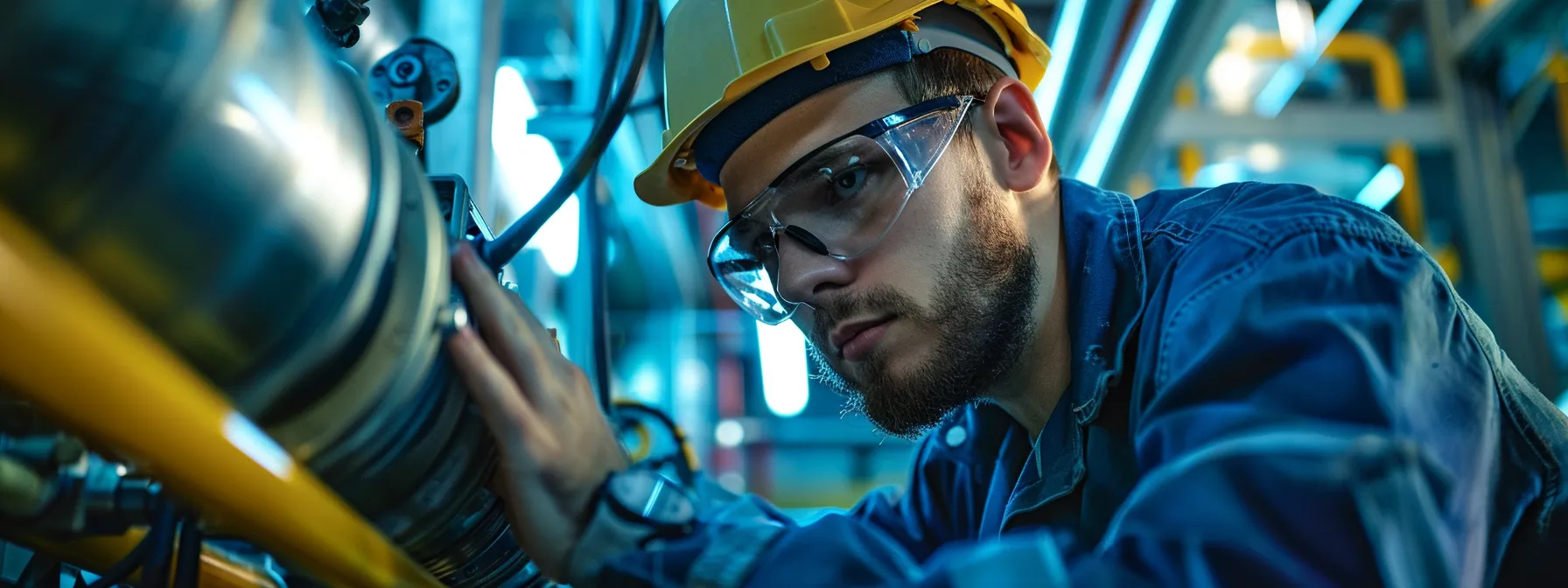
Commercial hvac systems face unique challenges, including component wear and outdated installation techniques. Routine maintenance remains essential to prevent issues requiring emergency air conditioner repair. Facility managers can refer to our about-us section or contact us here for guidance on spotting urgent signs that call for rapid intervention and strategic upkeep.
Specific Issues Faced by Commercial HVAC Systems
Commercial HVAC systems encounter unique challenges when compared to residential units. An experienced engineer notes that issues with a valve or pilot light can lead to unexpected disruptions across systems, and split systems often require targeted fixes to prevent broader failures.
Facility managers observe that outdated components may compromise overall reliability, especially when an engineer identifies misaligned valves affecting efficiency. Recognizing early signs in split systems encourages prompt professional intervention, ensuring that vital parts, such as the pilot light, are maintained to keep systems running smoothly.
The Importance of Regular Maintenance in Commercial Settings
Regular maintenance in commercial settings ensures that every HVAC unit operates at peak efficiency, reducing the chance of a sudden hvac emergency that can disrupt operations. This practice supports consistent system performance while mitigating unexpected repairs such as heater repair, and it often includes a maintenance plan that helps prevent the need for emergency plumbing services when minor issues are identified early.
Establishing a scheduled maintenance plan demonstrates proactive management, which reduces wear and tear on hvac units and extends their lifespan. Facility managers recognize that regular upkeep not only minimizes expensive repairs but also builds a foundation for strategic service calls, ensuring that any instance of hvac emergency is addressed before it escalates into a larger repair issue.
Signs That Indicate a Need for Urgent Commercial Repairs
When a commercial hvac system exhibits abnormal drainage issues and irregular readings are received via sms alerts, it may be a clear sign that urgent commercial repairs are needed. Observations of fluctuating electricity levels and unexpected water damage indicate a higher risk of system failure, necessitating immediate intervention by experts.
Facility managers should remain vigilant for changes in system performance, such as slow drainage and inconsistent sms update alerts that suggest underlying problems with the commercial hvac system. Noticing these cues coupled with intermittent electricity issues and the potential for water damage prompts a thorough assessment by qualified repair professionals without delay.
When it comes to maintaining a commercial property, certain signs indicate the need for urgent HVAC repairs to prevent costly disruptions. Poor indoor air quality caused by inefficient ventilation or clogged filters can lead to employee discomfort and even health concerns. Additionally, failing building automation systems, such as malfunctioning thermostats or sensors, may cause temperature inconsistencies, reducing energy efficiency. If your commercial HVAC maintenance routine has been neglected, unexpected system failures could arise, leading to expensive emergency repairs. In cases where a commercial heating system struggles to maintain consistent warmth, it might signal underlying issues, such as a failing chiller or evaporator, both of which are critical for temperature regulation. If you notice a sudden system failure, a reliable contractor should be called immediately to prevent further damage and costly downtime.
Ignoring early warning signs could also lead to hazardous conditions and higher operational costs. Malfunctioning auto dialer systems that fail to alert technicians of breakdowns can exacerbate problems, leaving businesses without heat or cooling when they need it most. If your system frequently requires HVAC emergency service, it’s a sign that routine maintenance isn’t sufficient, and deeper issues may exist. Sudden failures of heat pumps, HVAC technicians being called repeatedly for the same issue, and signs of HVAC emergencies—such as unusual noises or odors—should not be ignored. Businesses should have access to 24/7 AC repair, 24-hour furnace repair, or same-day furnace repair services to minimize disruptions. Additionally, offering maintenance rebates or utilizing energy management solutions can help businesses save money in the long run. Staying proactive by monitoring system performance and seeking professional HVAC solutions when issues arise can prevent costly failures and ensure a safe, comfortable environment for employees and customers.
How Emergency HVAC Repair Services Operate
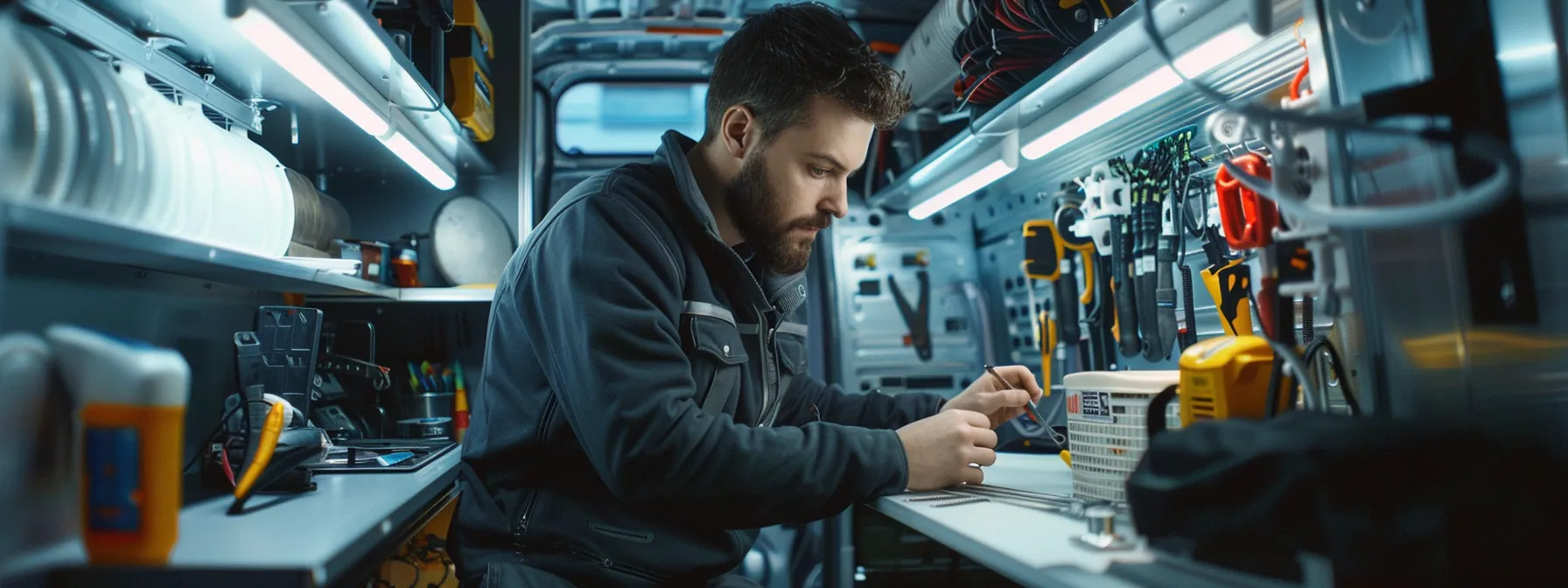
The content outlines what to expect from emergency repair services, highlighting cost factors and response times. It explains how professionals manage hvac service incidents, from air conditioning repair to addressing a leak linked to plumbing disruptions while maintaining system efficiency. This section provides practical insights to help facility managers decide when minor fixes suffice or emergency services are warranted.
What to Expect From Emergency Repair Services
Emergency repair services offer rapid assessment and resolution of issues, ensuring that potential hazards such as carbon monoxide leaks are addressed immediately. Professionals arrive with the necessary tools and expertise based on the client’s zip code and local regulations, while verifying that the work complies with any insurance requirements before performing critical tasks, such as necessary water heater repairs.
Clients can expect a clear, straightforward explanation of the issue and a prompt plan of action during an emergency. Service specialists communicate directly about the steps taken to restore comfort and safety, tailoring their approach to the specific conditions of the property and ensuring that major risks are minimized effectively.
Cost Factors Associated With Emergency Repairs
The cost of emergency hvac services often depends on the extent of the failure and the frequency of repair work required for commercial hvac equipment. In many cases, a minor malfunction can quickly escalate in expense if not addressed promptly through repair, making it crucial for facility managers to schedule regular inspections to avoid unexpected costs.
Pricing for emergency hvac services typically reflects the specialized skills needed to handle sudden equipment failure in commercial settings. By understanding that repair costs vary with the complexity and frequency of issues, professionals can better plan maintenance strategies to minimize disruption and safeguard their investment.
Availability and Response Times of HVAC Professionals
HVAC professionals ensure prompt emergency service, with rapid response times that are critical for commercial hvac systems during spur-of-the-moment malfunctions. Their expertise often comes from extensive experience servicing facilities in manufacturing settings, where quick fixes, such as addressing unexpected ice buildup in cooling systems, can be vital to restoring operational safety.
The availability of these technicians supports businesses by reducing downtime through fast emergency repair actions. Facility managers can rely on their consistent response, ensuring that minor issues escalate into significant disruptions are nipped in the bud, ultimately keeping critical operations running smoothly.
Preventative Measures to Avoid Emergency HVAC Situations
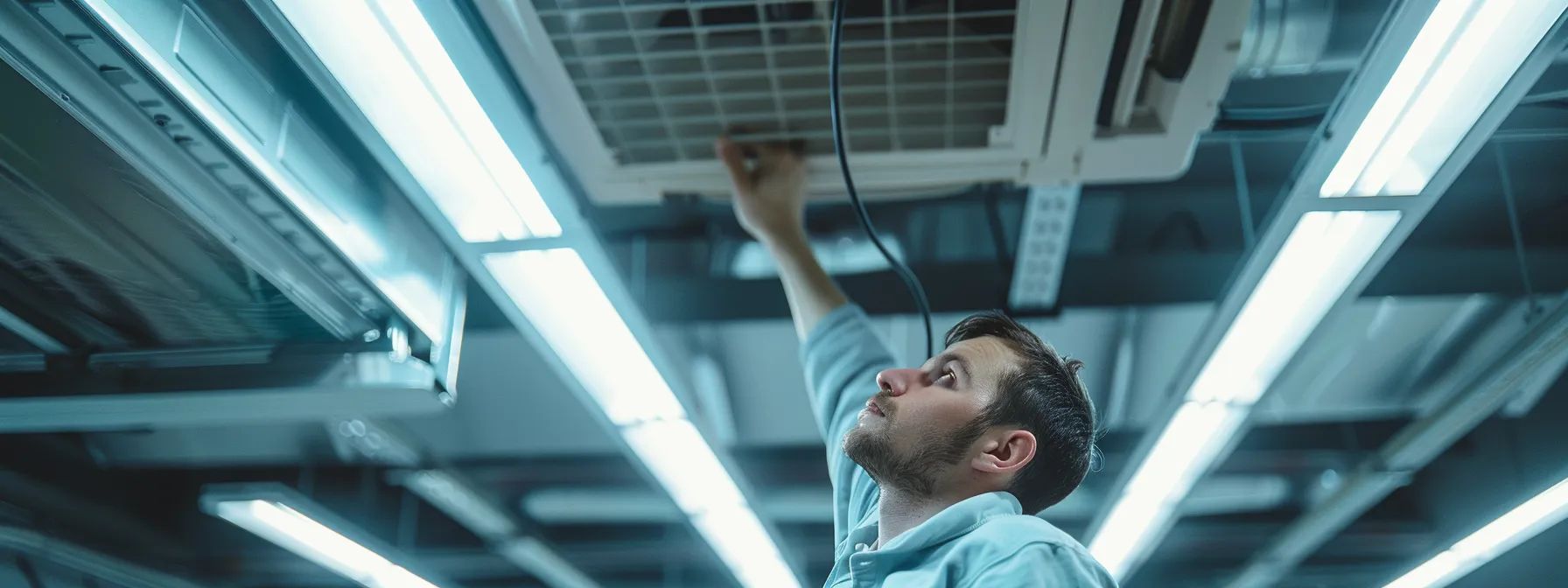
Routine inspections secure proper airflow and minimize downtime. Educating staff on hvac system best practices, such as monitoring air filter performance and identifying unusual odor, supports proactive maintenance. Smart technology offers early problem detection, ensuring minor issues remain manageable and preventing major disruptions.
The Role of Routine Inspections and Maintenance
Regular inspections and vigilant maintenance play a key role in keeping heating and air systems running efficiently. Professionals often observe that routine checks can uncover debris build-up in ducts, which, if not removed promptly, may lead to the need for emergency repair services, ensuring critical areas remain safeguarded through automation and expert care.
In practice, scheduled maintenance of HVAC systems assists in identifying minor issues before they escalate, such as spotting blockages in ducts or early wear in heating and air components. This proactive approach minimizes downtime and avoids costly repairs by enhancing system performance, reducing the risk that slight anomalies escalate into major disruptions requiring emergency repair services.
Educating Staff on HVAC Best Practices in Commercial Spaces
The team ensures that staff receive regular training on HVAC best practices, emphasizing the importance of routine maintenance to effectively manage humidity levels and prevent mold growth. The training highlights how minor adjustments to a heat pump can reduce the need for extensive hvac repair, empowering staff to spot early warning signs and act decisively.
Practitioners advise that clear guidance on routine checks and documentation of system performance strengthens overall system reliability. Educated personnel are better prepared to monitor critical indicators such as fluctuating humidity levels and minor heat pump irregularities, ultimately reducing unexpected repair needs through timely, professional hvac repair practices.
Implementing Smart Technology for Early Problem Detection
Smart technology systems have transformed the way facility managers monitor HVAC performance, providing real-time insights into variable refrigerant flow anomalies and refrigerant levels. These digital tools pinpoint shifts in energy efficiency and potential downtimes, enabling professionals to schedule service before minor concerns escalate into emergency hvac situations.
Automation in HVAC monitoring also assists in identifying conditions that may require weekend ac repair by alerting technicians to deviations in energy usage and system pressure. This proactive approach ensures that scheduled maintenance is timely and effective, reducing unexpected breakdowns and maximizing the longevity of the unit.
Frequently Asked Questions
What signs indicate a minor HVAC issue needing troubleshooting?
Signs include unusual noises, inconsistent airflow, minor temperature fluctuations, and slightly increased energy bills. Air Conditioning Experts Las Vegas can guide and troubleshoot these issues to maintain system performance year-round.
When should emergency HVAC repair services be contacted?
Emergency HVAC repair services should be contacted when systems fail to maintain comfort, produce unusual sounds, trigger safety concerns, or display sudden temperature fluctuations. Prompt attention minimizes disruption and maintains system efficiency in Las Vegas.
How do technicians assess HVAC system severity?
Technicians evaluate HVAC severity by inspecting system performance, reviewing service history, and performing diagnostic tests to pinpoint repair requirements or potential upgrades, ensuring efficient, reliable operation in Las Vegas properties.
What challenges exist in commercial HVAC repair?
Commercial HVAC repair faces issues with complex system integration, time-sensitive breakdowns, aging equipment, and limited access to specialized components, demanding rapid and precise solutions from qualified technicians.
Can preventative measures reduce emergency HVAC situations?
Routine inspections and maintenance performed by certified technicians can minimize abrupt system faults and lower the chances of emergency HVAC events, ensuring comfort and reliability throughout the year.
Conclusion
Identifying early signs of HVAC problems allows facility managers to maintain system efficiency and reduce repair costs. Observing subtle changes in performance helps distinguish manageable issues from potential emergencies. Routine inspections and advanced monitoring guide proactive maintenance decisions that protect equipment integrity. Acting decisively when red flags appear secures uninterrupted comfort and operational stability.